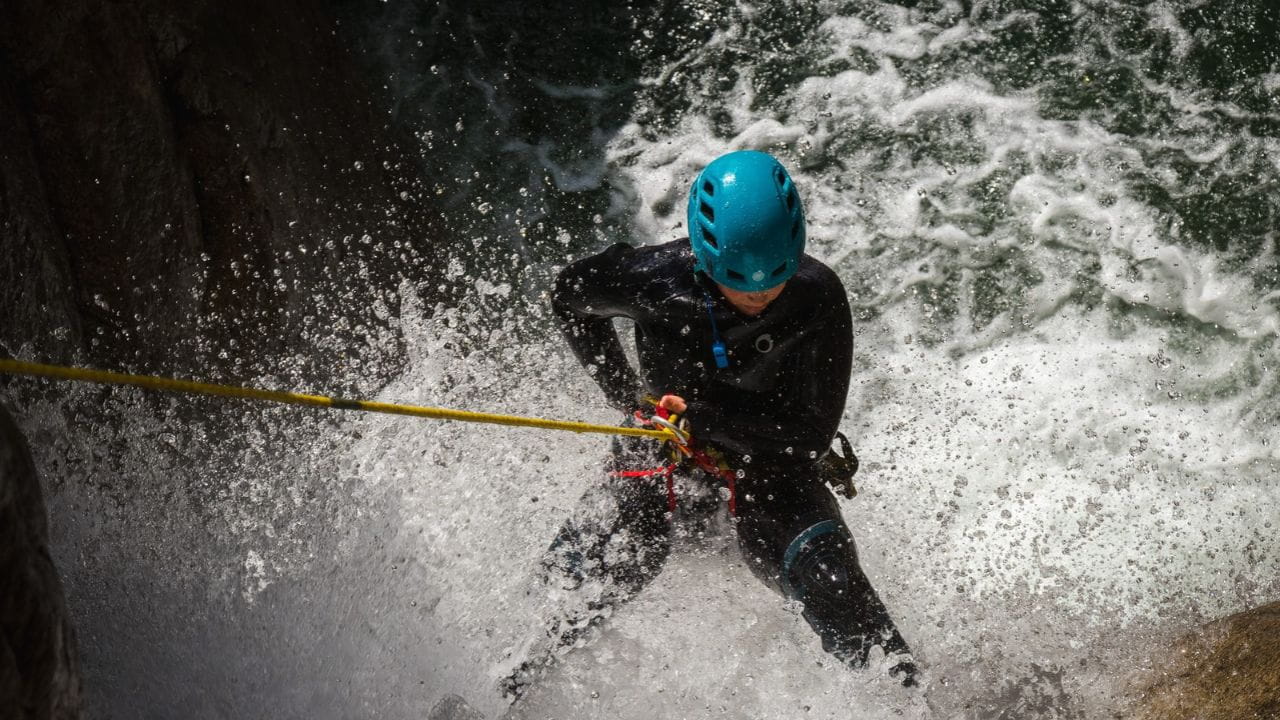
Canyoning represents the ultimate immersion into nature, trading dusty hiking trails for emerald pools, thundering waterfalls and slick rock slides. If you have looked at a rugged river gorge and wondered what it takes to navigate it from top to bottom, you are looking at canyoning.
As a beginner, the idea of rappelling down a waterfall or jumping off a cliff can feel intimidating, but commercial canyoning is specifically designed to safely introduce nervous first-timers to these wild environments. Here is exactly what you need to know before stepping into the gorge.
Do I need prior experience?
The most common misconception about canyoning is that you need to be an expert rock climber, mountaineer or whitewater swimmer. In reality, most people participating in beginner-level guided tours have never done anything like it before. You do not need prior climbing, scrambling or rappelling experience to participate.
On a guided tour, certified professionals will teach you all the necessary techniques on the spot. The guides handle all the complex rope work, build the safety anchors and manage the descents. Your primary job is simply to listen to instructions, step into the harness and enjoy the adventure. Introductory routes are explicitly designed with beginners in mind, offering a gradual and safe introduction to the heights and water features.
Physical requirements and constraints
While you do not need technical skills, canyoning is a physical activity with a few specific constraints built around safety and equipment limitations.
- Weight limits: the maximum weight limit for commercial canyoning is typically around 110 kg to 130 kg (242 to 285 lbs), with many operators setting a strict cap at 125 kg. This restriction is not because the climbing ropes might break, they are engineered to hold tonnes of weight. Instead, the limit exists because technical harnesses and thick neoprene wetsuits only go up to certain sizes. Additionally, navigating the slippery boulder gardens requires a base level of agility that becomes difficult to maintain safely beyond this limit.
- Age limits: canyoning has a wide appeal, but minimum age limits apply based on the specific gorge's difficulty. While some incredibly easy family routes allow children as young as 6 or 8 years old, standard beginner routes usually set the minimum age between 10 and 12 years old.
- Fitness level: you do not need to be an elite athlete. A general rule of thumb is that if you can walk at a relaxed pace over uneven terrain for about 90 minutes, you possess the required cardiovascular fitness.
What actually happens in the canyon?
Once you enter a canyon, the only way out is usually at the very bottom. You will navigate the watercourse using five primary movements:
- Walking and scrambling: you will spend significant time hiking along riverbanks, wading through shallow currents and scrambling over uneven, wet boulders.
- Swimming: canyons narrow into deep pools that require swimming. While a thick wetsuit and buoyancy aid provide excellent flotation, you must be comfortable floating and moving in deep water.
- Sliding: over thousands of years, rushing water polishes limestone into smooth, natural toboggans. Sliding down these rock faces into deep plunge pools is often the most relaxing and fun part of the trip.
- Jumping: canyons feature natural drops into deep pools. Heights on beginner tours vary, but you will leap from rock ledges into the water below.
- Rappelling (abseiling): when a waterfall is too high to jump, you will wear a harness and use a rope and descender device to lower yourself down the vertical rock face.
Managing fear: heights and water
The hardest part of canyoning is rarely physical; it is almost entirely psychological. Standing on a rock ledge and looking down into a pool requires overcoming basic human instinct. The psychological commitment required to jump, or to lean back over a waterfall edge on a rope, is significant.
However, if you suffer from mild acrophobia (fear of heights), you do not need to panic. Good guides move at the pace of the group, and on beginner tours, you are never forced to do anything you are entirely uncomfortable with. Most introductory canyons offer "chicken routes", safe paths to walk around the highest jumps or most intimidating obstacles.
The gear: what you wear and bring
A reputable operator provides all the technical equipment needed to survive the gorge. You will be given a thick 5mm to 7mm neoprene wetsuit, a certified climbing helmet, a specialised harness with a PVC seat protector, and often neoprene socks and gloves. The most crucial item provided by top-tier operators is professional canyoning boots equipped with sticky-rubber soles for traction on wet rock.
All you need to bring to the base camp is a swimsuit to wear under the wetsuit, a towel and a full change of dry clothes for the end of the day. Leave valuables, electronics and jewellery behind, as the canyon environment will destroy them. For the full rundown on the kit, see our ultimate canyoning gear guide.
Taking the leap
Booking your first tour is the only hurdle left. For those looking for an unparalleled introductory experience, the wild, emerald waters of the Balkans offer the perfect starting point. The pristine Hrčavka canyon in Bosnia provides an ideal mix of slides, jumps and beginner-friendly rope descents inside a stunning national park.
You can book a fully guided, beginner-friendly expedition directly on our Hrčavka canyoning tour. If you are planning an extended stay in the area to explore the primeval forests and local hiking trails, you can coordinate your accommodation and comprehensive itinerary through visitsutjeskanationalpark.com.